
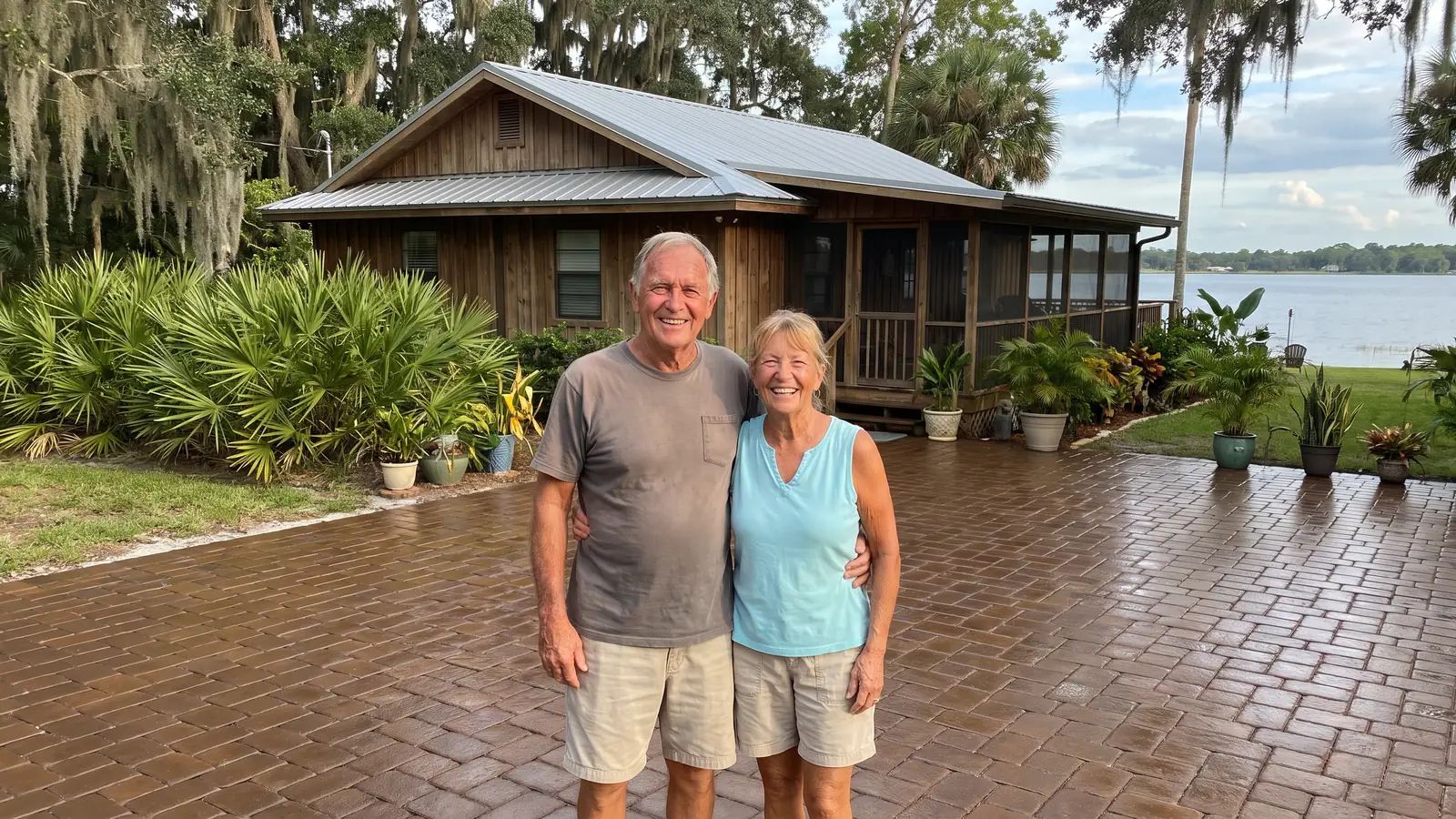
Faded, cloudy or peeling pavers made right
Paver Restoration and Resealing in Crescent City, FL
Call (386) 977-8354 for a free estimate to restore and reseal your Crescent City pavers.
- Brings out deeper paver color
- Fresh joint sand helps lock pavers in place
- Gives weeds less room to grow
- Makes the surface easier to keep clean
- Free estimate, no obligation
Request a Free Estimate
Free, no obligation.
Can my Crescent City pavers be restored instead of replaced?
A local contractor restores and reseals pavers in Crescent City, FL, and you will hear back within 1 business day, usually sooner. The estimate is free, with no obligation. To ask about yours, call (386) 977-8354.
Most pavers that look tired are still sound. The color is lost under a hazy, peeling or blotchy coat, and the joints have emptied. Restoration removes the failed layer, cleans the stone, refills the seams and seals again, so the drive reads as new without ripping anything out. Point out the worst patches and the shadiest corners when you ask for a free estimate.
Which Putnam County towns can book paver restoration?
- Palatka
- Palm Coast
- Ormond Beach
- Daytona Beach
- Holly Hill
- DeLand
- St. Augustine
- South Daytona
- World Golf Village
- Orange City
- Port Orange
- Silver Springs Shores
- DeBary
- Deltona
- Eustis
- Ocala
- Mount Dora
- Lady Lake
- New Smyrna Beach
- Nocatee
- Asbury Lake
- Fruit Cove
- Sanford
- The Villages
- Fleming Island
- Edgewater
- Lake Mary
- Middleburg
- Tavares
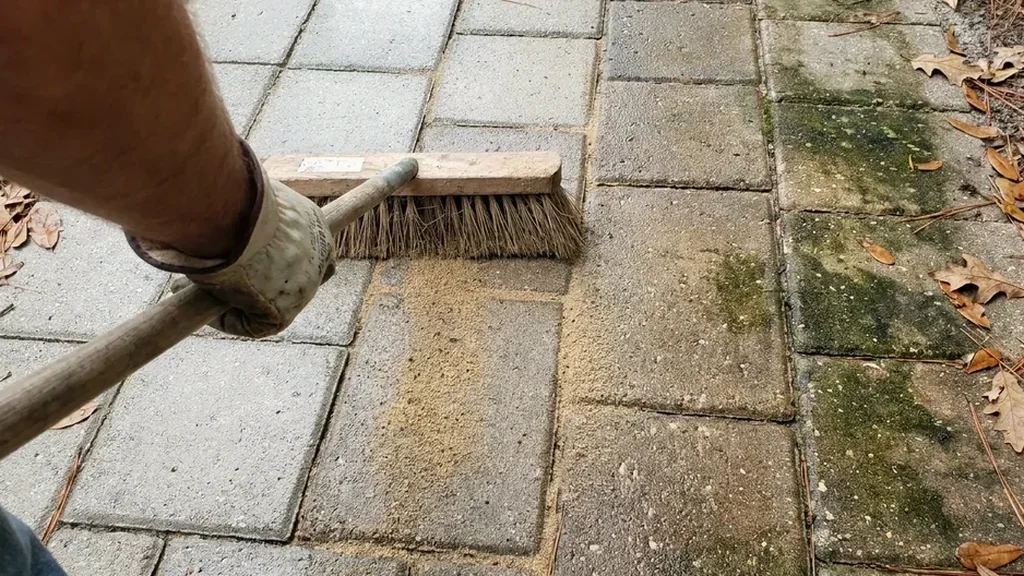
How do I know the old sealer has failed?
Hydro Wash 360, a washing company, lists the signs: a white or cloudy haze, peeling or bubbling that sometimes lifts in sheets, a thick glossy plastic look, visible roller marks, and a coat that turned white within months of going on. Any one of them points to restoration, not a touch-up. To have a contractor look, call (386) 977-8354.
A quieter sign is water that soaks in and darkens the surface instead of beading. Western Interlock, a paver maker, says to reseal when beading stops. Pavers in this stage may only need a wash and a new coat, which costs less. Describe what you see when you ask for a free estimate.
Why strip the old coat instead of sealing over it?
New sealer needs a clean, sound surface to hold on to. Hydro Wash 360 says it cannot bond to a peeling, hazy or contaminated coat, and that partial strips often fail again within a few months. A Northeast Florida washing company agrees that failed sealer is stripped first and not coated over. Skipping that step is the shortcut that costs the most later. To see which stage your pavers are in, ask for a free estimate.
Unilock, a paver maker, adds that old and new sealers should be tested for compatibility. Mixing two products can fog or lift. Ask the contractor how that test is done when you call (386) 977-8354.
What is the paver restoration process from start to finish?
Five stages, and the order is the point. Skipping ahead leaves haze or stains under the new coat. To see how this would work on your property, call (386) 977-8354.
1. Read the old coat
The contractor looks for white haze, peeling, roller marks and a plastic sheen, and identifies what type of sealer is on the pavers.
2. Cover and strip
Landscaping, the pool screen and the garage door are covered. A stripping agent matched to the paver and the old sealer dwells, then the surface is pressure cleaned down to bare paver.
3. Clean and treat stains
Rust, oil and leaf stains are treated next, since sealer can make any leftover stain stand out.
4. Dry and re-sand
The pavers dry fully, and fresh joint sand is swept in and packed down.
5. Reseal and cure
A new coat goes on in dry weather. Hydro Wash 360 says foot traffic can return in about 24 hours and cars in 48 to 72, depending on product and weather.
How long does a restoration take, and when can I use the pavers?
A standard strip and reseal takes one full day, according to Hydro Wash 360. The same washing company says a coat that has failed, or joints that are empty, stretch the visit across two days. Walking comes back in about 24 hours and driving in 48 to 72, depending on the product and the weather. To pick a date, call (386) 977-8354.
Unilock asks for 24 to 48 hours of clear weather around the job, temperatures from 50 to 90 degrees and up to 48 hours of dry weather as the coat cures. Hot pavers can stain or peel the new coat early. Plan the car off the drive and the sprinklers off when you ask for a free estimate.
What does paver restoration cost in Crescent City?
No page found prices restoration as a single service, so this table adds published pieces: stripping failed sealer at $1.50 per square foot, from a sealing company that lists add-ons, and the $1.75 to $3.25 per square foot a Northeast Florida washing company publishes for the clean, sand and seal. Those pieces are the planning numbers. Your quote depends on the sealer type and the coat's condition. For a number written for your pavers, ask for a free estimate.
Hydro Wash 360 puts whole-job stripping from about $350 for a small area to $3,400 or more for a large property with severe solvent-based failure. Low bids deserve a question about what was skipped. To check a bid you hold, call (386) 977-8354.
| Paved area | Strip at +$1.50 | Clean, sand and seal | Restoration planning range |
|---|---|---|---|
| 600 sq ft (two car drive) | $900 | $1,050 to $1,950 | $1,950 to $2,850 |
| 1,000 sq ft (large drive or deck) | $1,500 | $1,750 to $3,250 | $3,250 to $4,750 |
| 1,500 sq ft (drive plus patio) | $2,250 | $2,625 to $4,875 | $4,875 to $7,125 |
The strip column multiplies $1.50 per square foot, the add-on one sealing company lists for failed sealer. The next column uses the $1.75 to $3.25 range from a Northeast Florida washing company, and the last adds the two. Stone repair and leveling are priced apart.
Is restoring cheaper than replacing pavers?
Almost always. Hydro Wash 360 puts replacement at $15 to $30 or more per square foot. Even the high end of the restoration range above stays well under that, and nothing is torn out or hauled away. Replacement only wins when the base has failed. To compare both on your property, call (386) 977-8354.
Why does old sealer cloud over in Crescent City's humid air?
Moisture is the cause. Hydro Wash 360 says humidity and ground moisture can make solvent-based sealers trap water and turn white, and the haze does not reverse on its own. Wikipedia records about 49.9 inches of rain over 104 days a year in town, with August the wettest month at 7.14 inches. Pavers near the lakes hold damp ground under them. To ask about a breathable product, ask for a free estimate.
Sealing on a wet or dirty surface starts the same problem. A Northeast Florida washing company says sealing over dirt or wet pavers is how jobs fail, and that sealer on a damp surface can turn milky. A patient contractor waits for dry weather. Ask how drying is checked when you call (386) 977-8354.
What if the joints are empty or some pavers have sunk?
Sand is cheap to refill, and a restoration includes it. Sunk pavers are different. A sealing company prices releveling at $8 per agreed paver, and sealer cannot lift a stone or fix a base. Western Interlock notes that low joint sand lets weeds root and pavers move. List the spots that dip or wobble when you ask for a free estimate.
How long will a restored coat last in this climate?
Expect two to five years, and plan around the sun. A Northeast Florida washing company says two to three years is typical, closer to two in full sun with pool chlorine and storms. Unilock says three to five, and Western Interlock says three to four. A shaded yard under oaks can reach the long end, while a bare driveway near the lake sits at the short end. To fix a reminder date, call (386) 977-8354.
Should the new finish be matte or wet look?
Wet look deepens color and shows scuffs, and matte hides them and is safer underfoot around water. Hydro Wash 360 offers both as finish options after stripping. A pool deck leans toward matte, and a front drive can go either way. An HOA may have a say, so check before you ask for a free estimate.
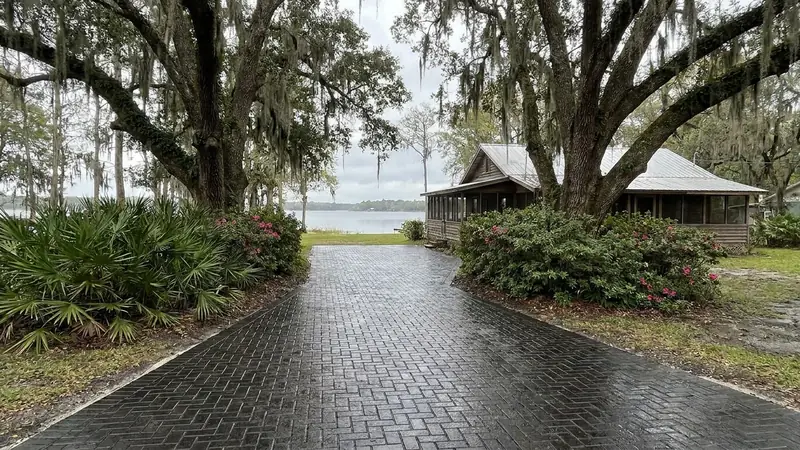
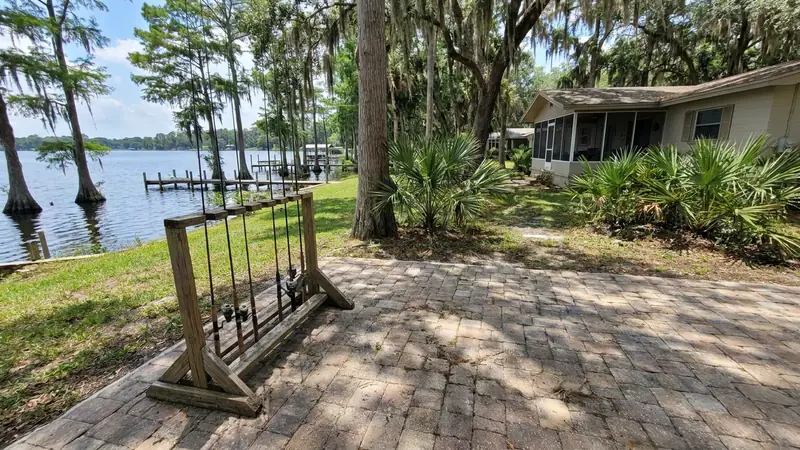
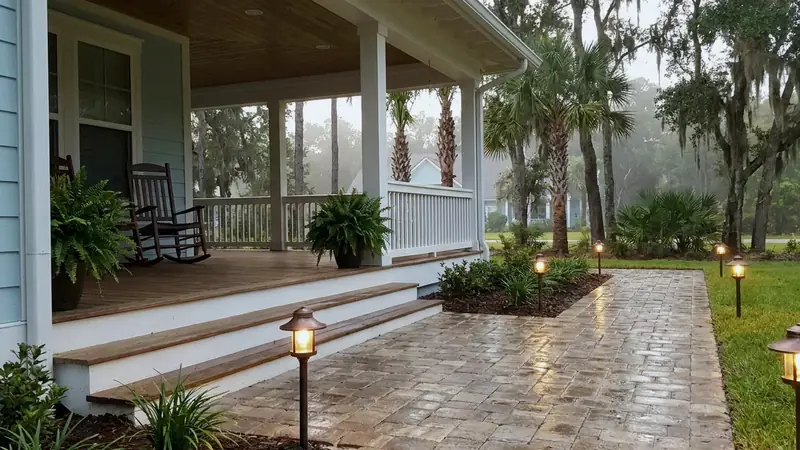
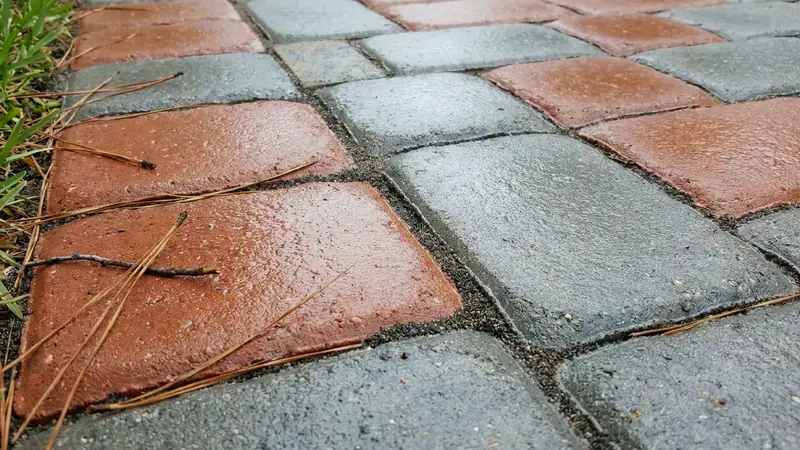
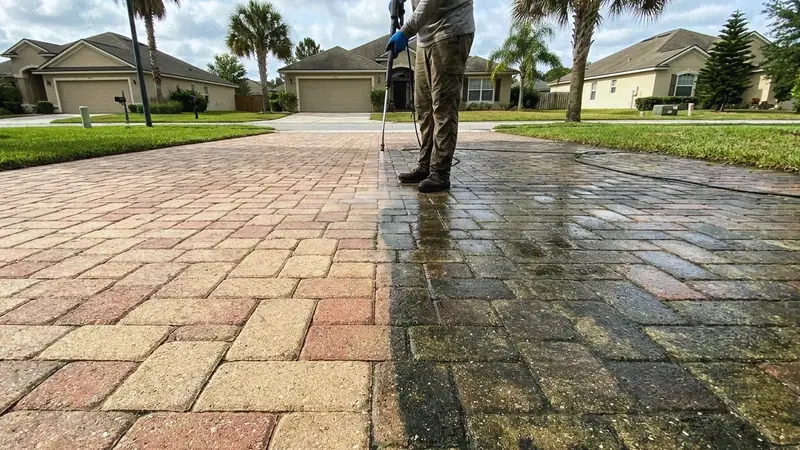
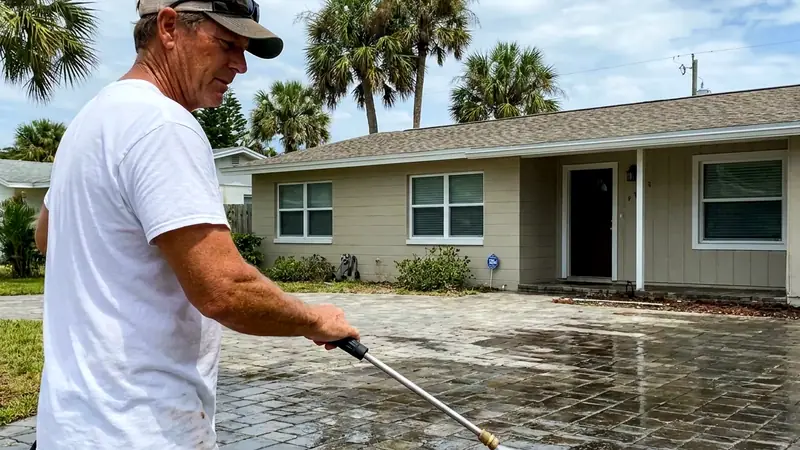
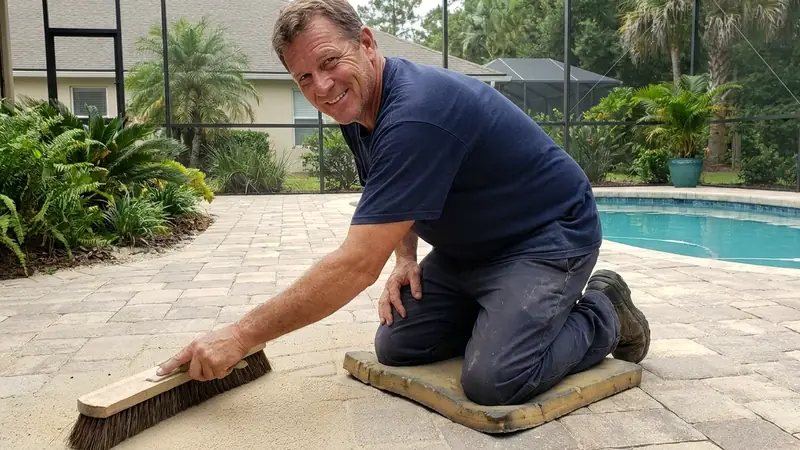
What do restored pavers look like around Crescent City?
Frequently Asked Questions About Paver Restoration
Is it good to seal pavers in Florida?
For most pavers, yes. Sun fades color, storms pull sand from the joints and humidity feeds algae. The cost is a repeat visit every few years, and a restoration when a coat is allowed to fail.
Why is paver sealing so expensive?
Prep takes most of the labor. Washing, stain work, stripping failed sealer, new sand and drying all come before the new coat. A paver company that publishes add-ons lists stripping at $1.50 per square foot.
How much should I pay for paver sealing?
A Northeast Florida washing company lists $1.75 to $3.25 per square foot for the clean, sand and seal, higher when the old coat has failed. A restoration that includes stripping lands above that range, so a 1,000 square foot driveway can reach about $3,250 to $4,750.
Which paver sealer is best for Florida?
Contractors disagree, so ask for the product name and why it suits your pavers. A Southwest Florida cleaning company says breathable water-based products suit humid places, while a paver maker says solvent-based ones go on only to pavers and joints that are completely dry.
How do I know if my old sealer has failed?
White or milky haze, peeling or bubbling, a thick plastic look and visible roller marks are the signs one stripping company lists. Water that no longer beads is an earlier warning.
Can new sealer go over the old coat?
Not when the old coat has failed. The same stripping company says new sealer cannot bond to a peeling, hazy or contaminated surface and calls sealing over a failed coat never the answer.
How long does a paver restoration take?
A standard job takes one full day, per a stripping company, and a Northeast Florida washing company says empty joints or failed sealer make it a two day restoration. Storms can add a day.
Is restoring pavers cheaper than replacing them?
Usually, by a wide margin. A stripping company puts replacement at $15 to $30 or more per square foot, against under $5 for a restoration on the published rates.
Why does old sealer turn white in humid Crescent City?
Humidity and ground moisture can make solvent-based sealers trap moisture and turn white, and that does not reverse on its own, per a stripping company. Wikipedia lists the town at about 104 rain days a year.
Will fresh joint sand be part of a restoration?
It should be. Storms pull sand out, and a washing company cleans, re-sands and then seals. Ask that sand and the product be written into the quote.
Other Paver Services Near Crescent City
Restoration is one path. Pick the service that fits your pavers, or call (386) 977-8354 to talk it through.
Ready to bring your Crescent City pavers back?
Phone or send the short form. A contractor replies within 1 business day, often much sooner, and the visit is free.
Free, no obligation